






Games
Cinematic-quality faces and bodies at a runtime cost a game can afford, across the whole cast.

Modelers, riggers and pipeline developers, with a nuclear physicist and mathematician on the solver.
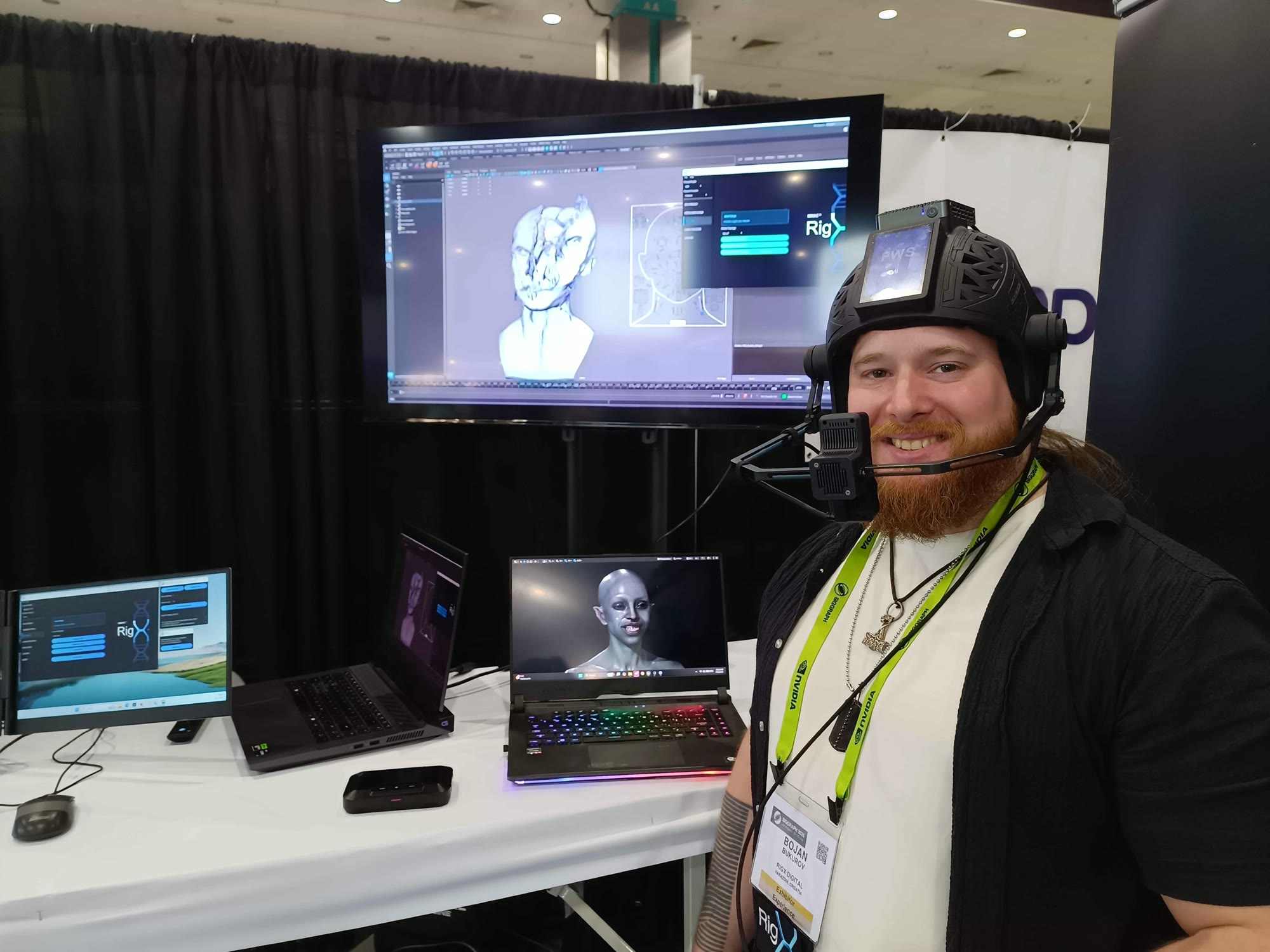
 RigX on the GDC Festival of Gaming stage
Meet the team
RigX adds a solver-driven deformation layer to the rigs you already have. Complex expressions, muscle movement and detailed face and body deformation no longer depend on ever-growing libraries of blend shapes and correctives, and they still run in real time.
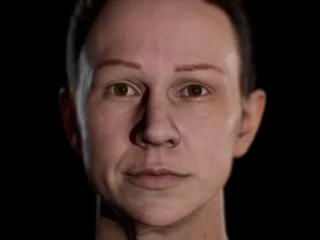
One character, one scroll. First what a traditional rig piles up to hold an expression, then what the solver does instead. Drag the face to deform it.
Joints and skinning drive the motion. Push the expression and the surface pinches, collapses and loses volume.
Every fix is another sculpted shape: correctives, then combination shapes to fix the correctives. Build time, file size and maintenance grow with each one.
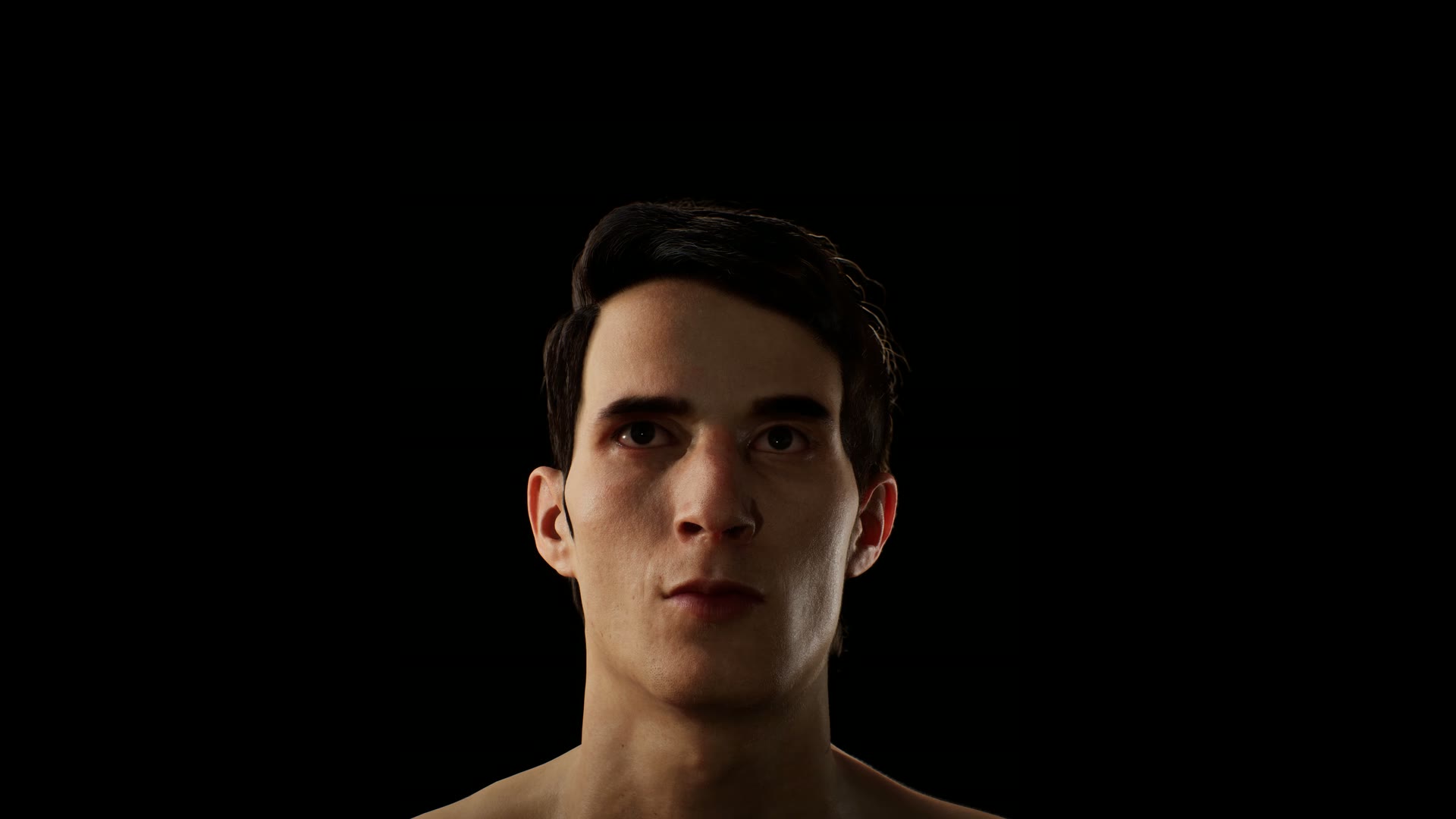
Your rig stays. The surface is solved rather than stored: skin, folds, volume and wrinkles, in real time.
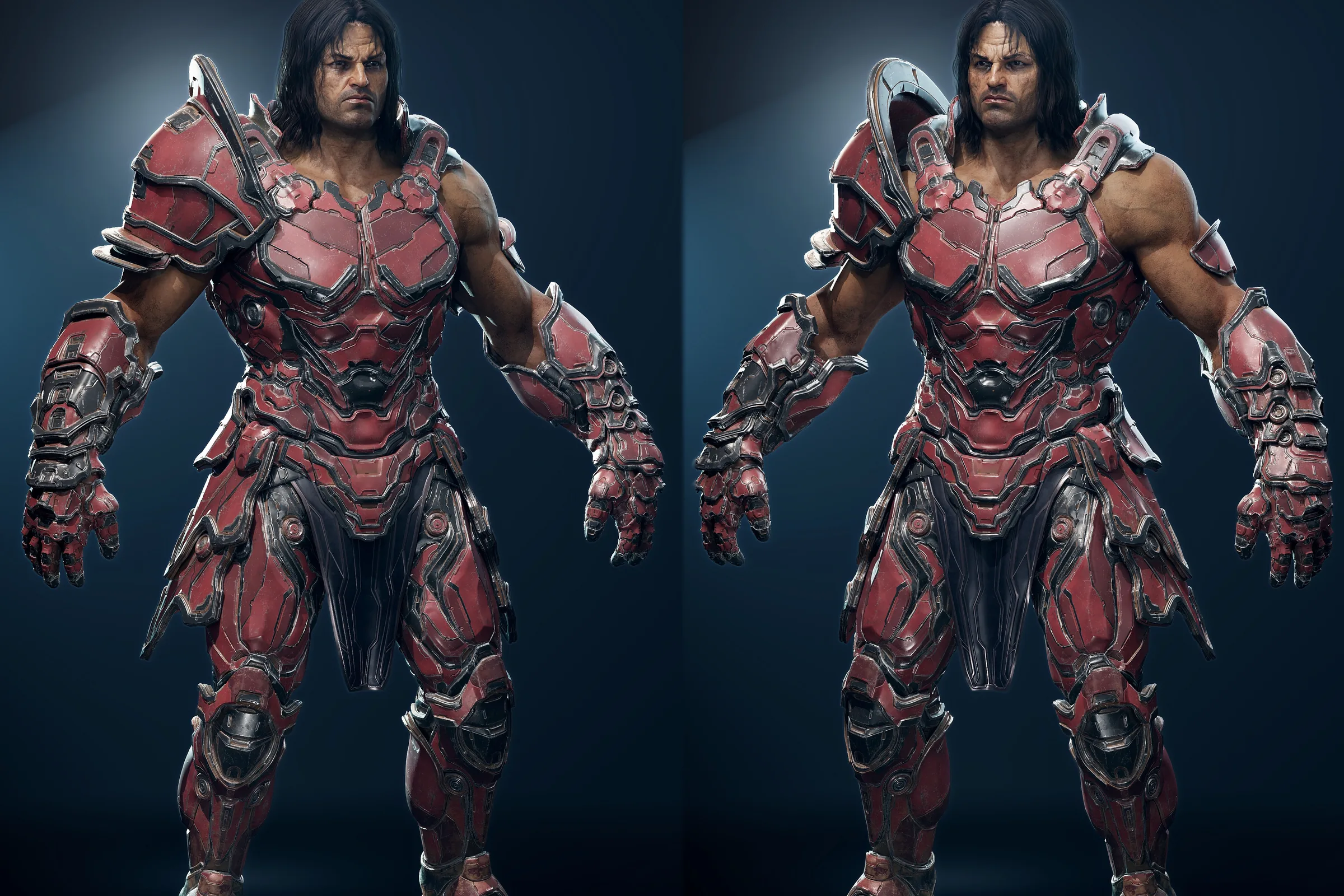
Detailed face and body deformation, without ever-growing libraries of blend shapes and correctives.

The solver computes how the surface should move, instead of interpolating between stored shapes.

Muscle movement that no longer depends on stacked correctives, and still runs in real time.

Complex deformation is solved rather than stored as a library of sculpted fixes.
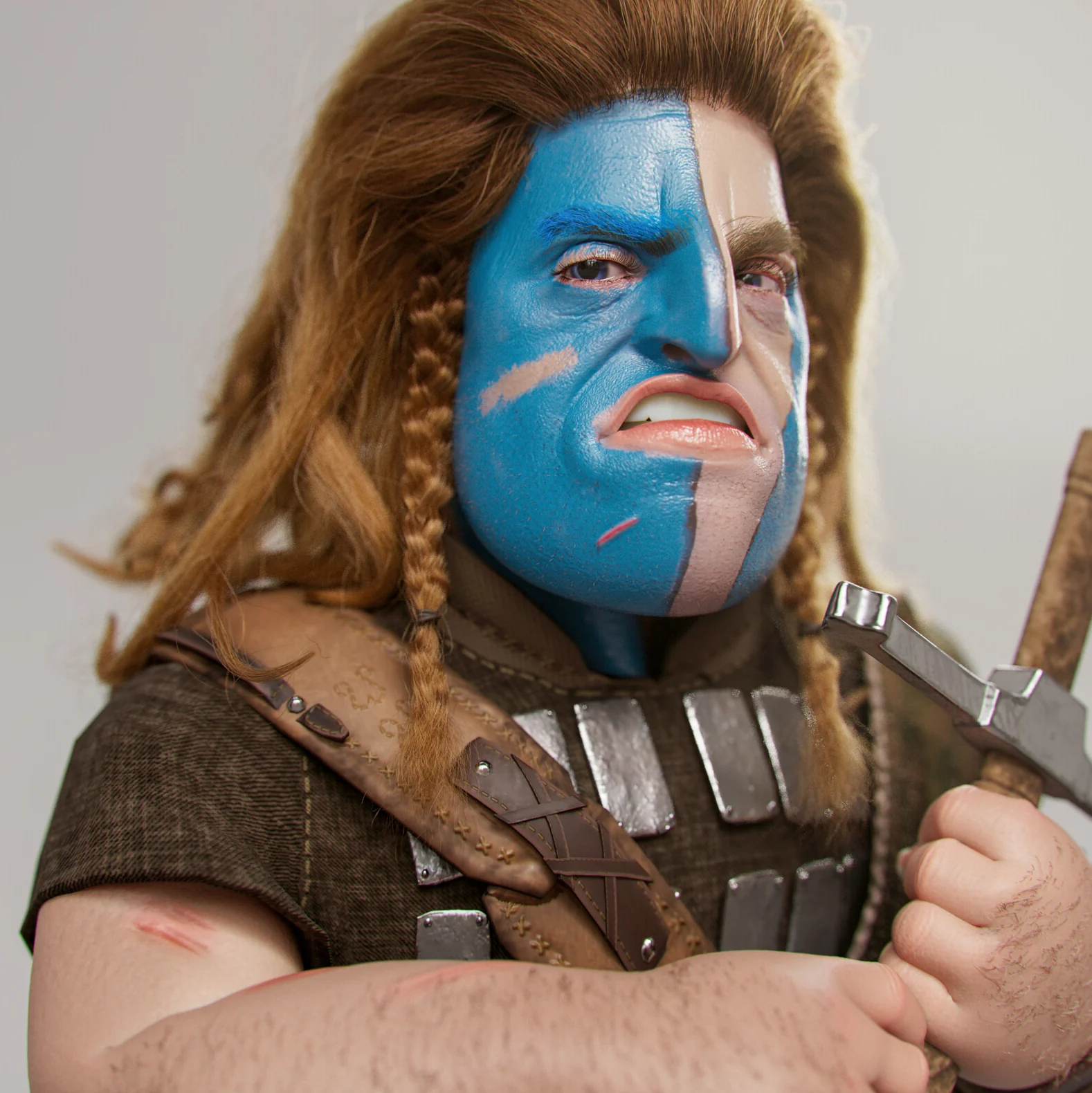
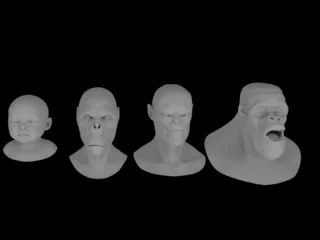
FACS is a starting point, not a limit: from realistic anatomy to cartoon, creature and fully custom behavior.
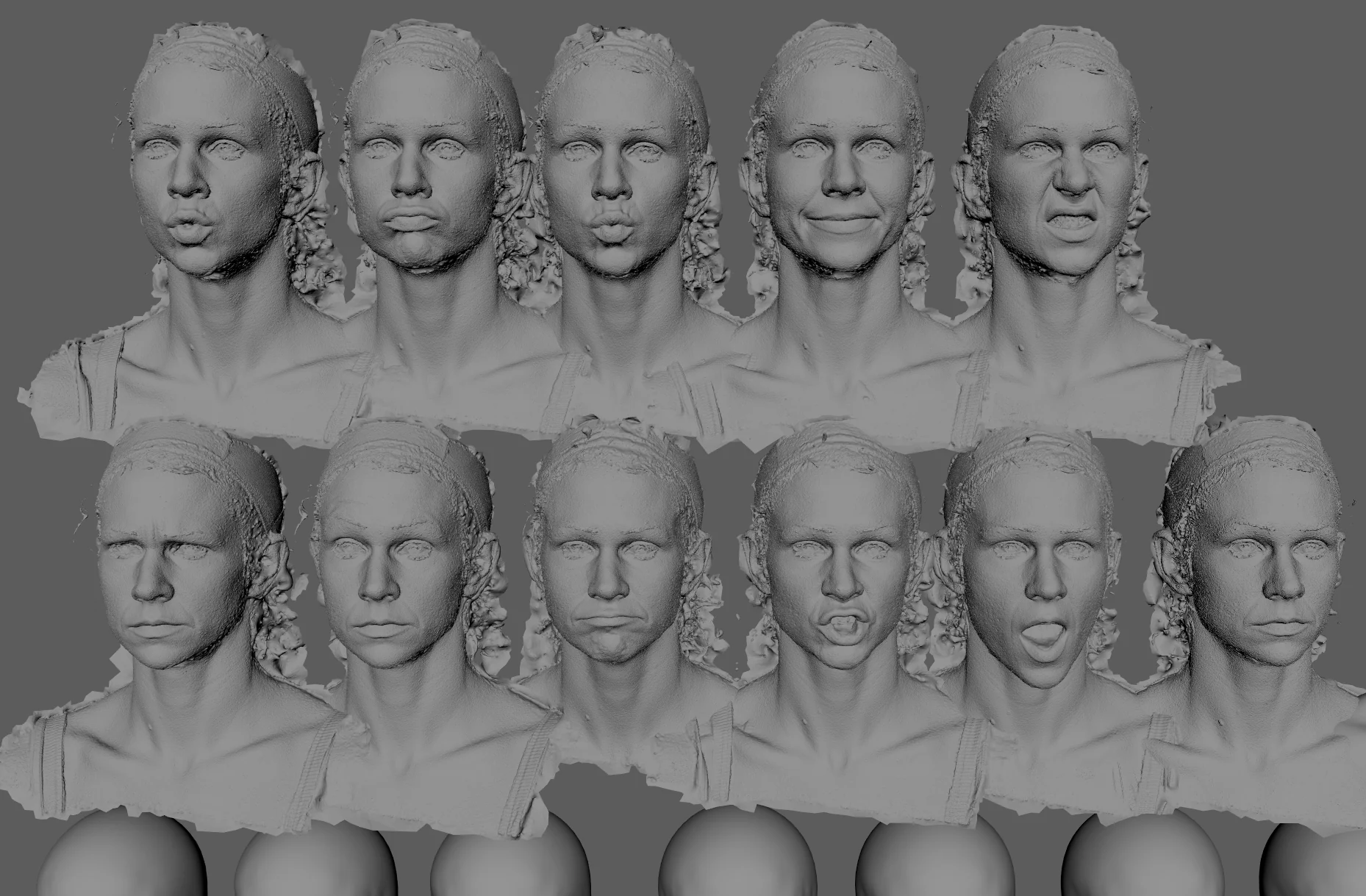
Complex expressions without stacking combination shapes to fix the correctives.
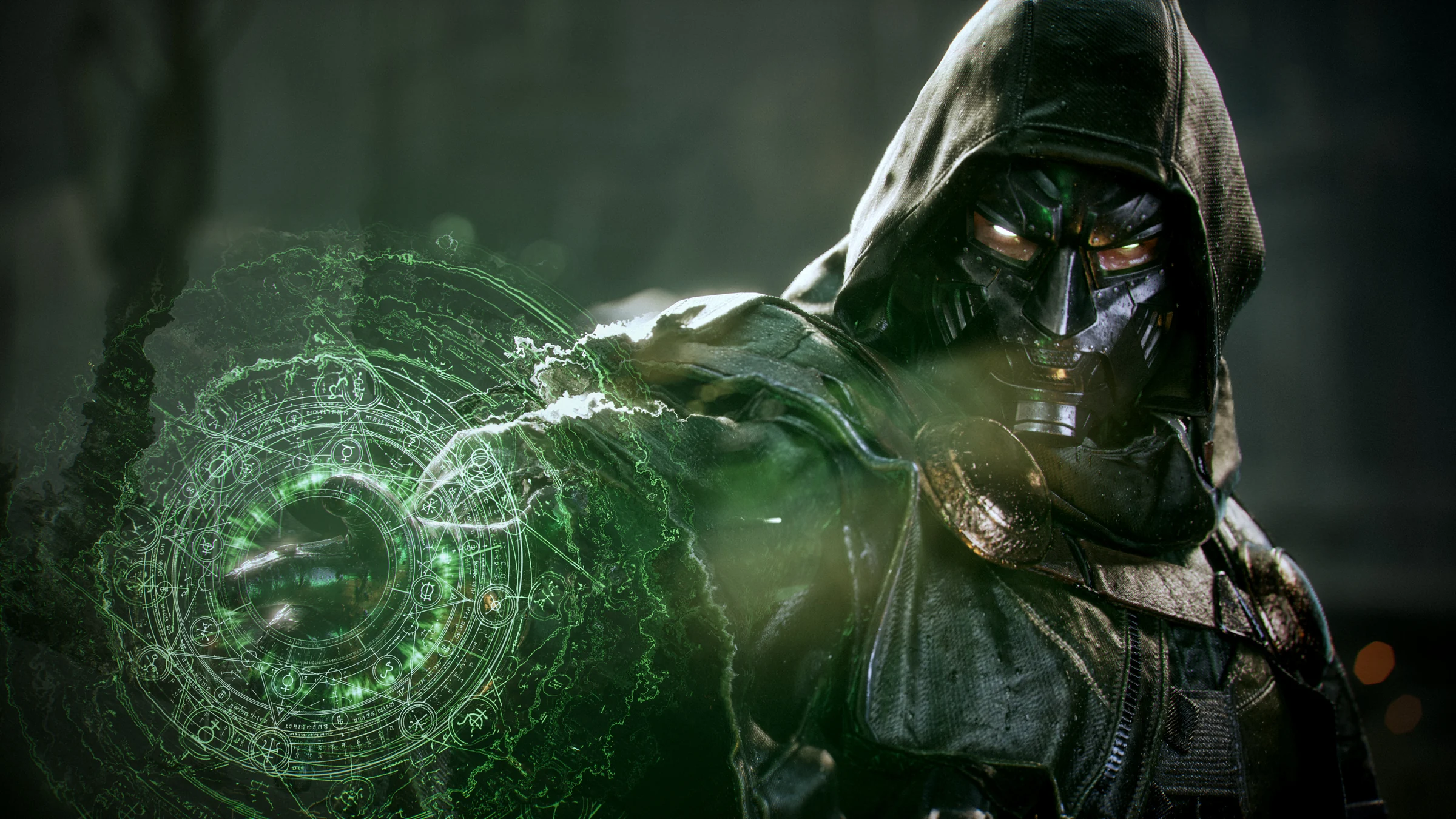
A Maya-based authoring workflow, paired with runtime technology for real-time applications.
A traditional character rig grows by accumulation: more joints, more blend shapes, correctives to fix the blend shapes, and combination shapes to fix the correctives. Each layer adds build time, file size and dependencies someone has to maintain.
Joints, followed by blendshapes, corrective shapes, pose combinations, RBF solvers, and custom deformation systems. Each character, each LOD, and every subsequent correction adds another layer of production cost, with much of that work having to be repeated.
Your rig stays. Complex deformation is solved rather than stored as a library of sculpted fixes. RigX works alongside your existing rig, it never replaces it.
Keep your existing rig, topology and animation system, or start from a scan or a MetaHuman head. Nothing has to be rebuilt.
The solver computes how the surface should move, skin, folds and volume, instead of interpolating between stored shapes.
Animators work through a clear control GUI. Artists tune the result. The rig is ready for your pipeline and for real-time use.
Cinematic-quality faces and bodies at a runtime cost a game can afford, across the whole cast.

Hero-level fidelity without a months-long corrective pass on every shot-critical expression.
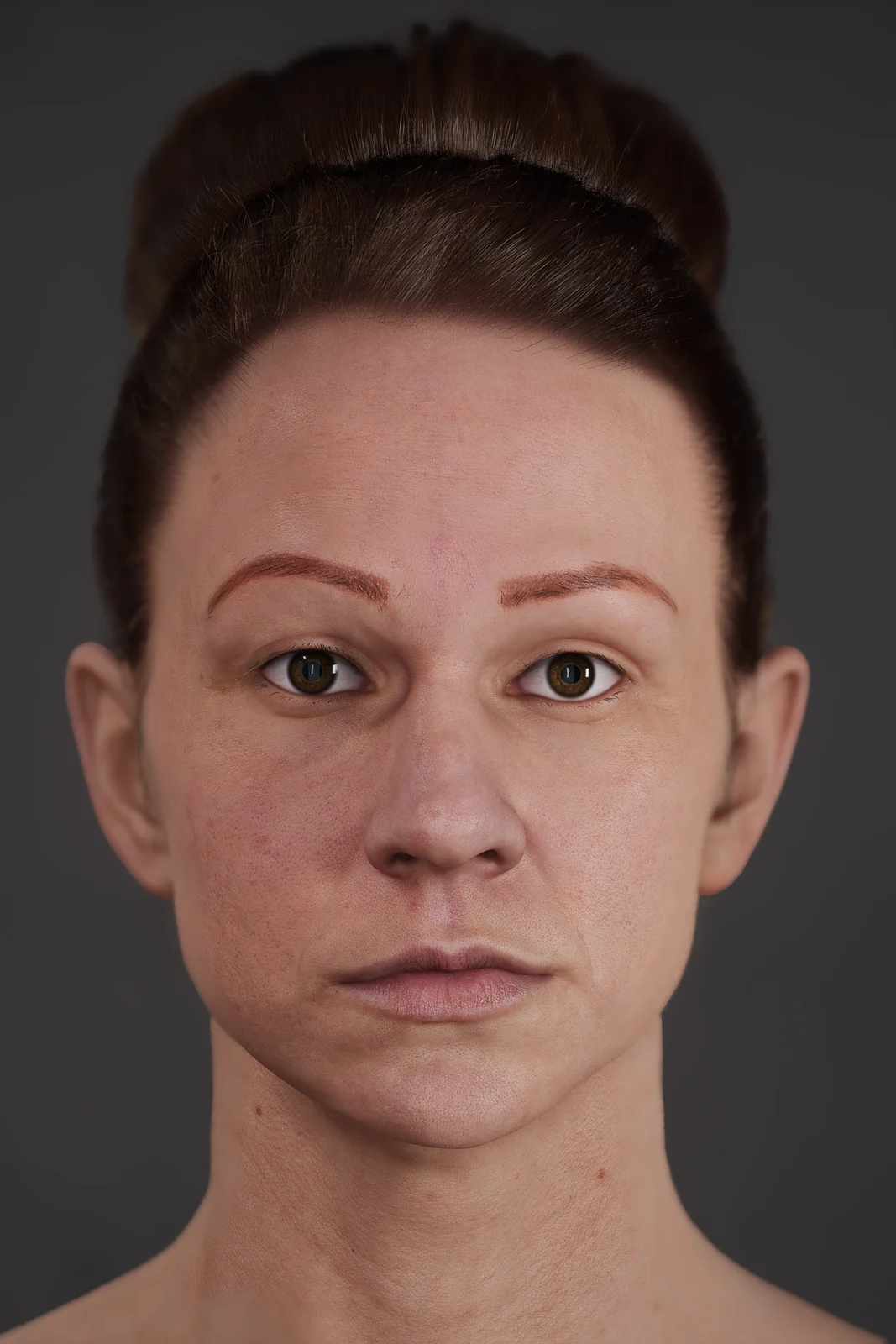
Build complex facial deformation directly from scan data, with the expression range a digital double needs.

High-quality character deformation that keeps up with live, real-time workflows on set.
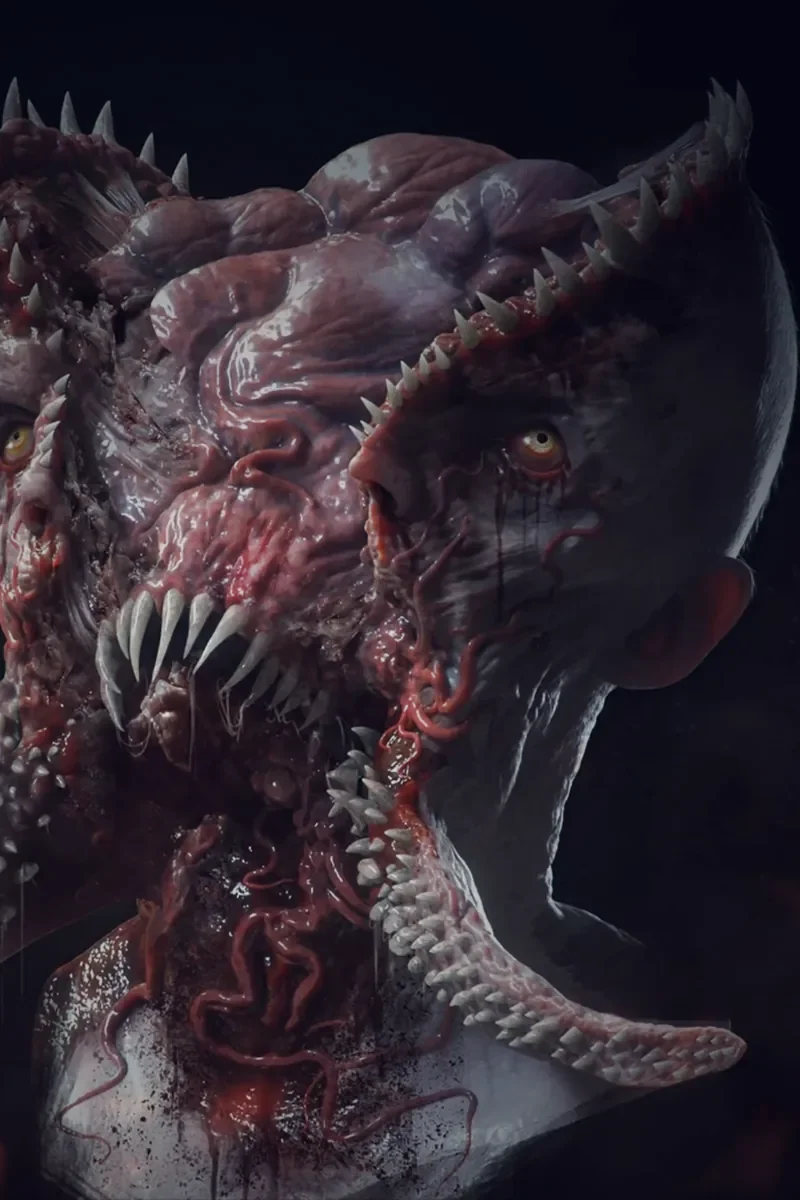
FACS is a starting point, not a limit: from realistic anatomy to cartoon, creature and fully custom behavior.
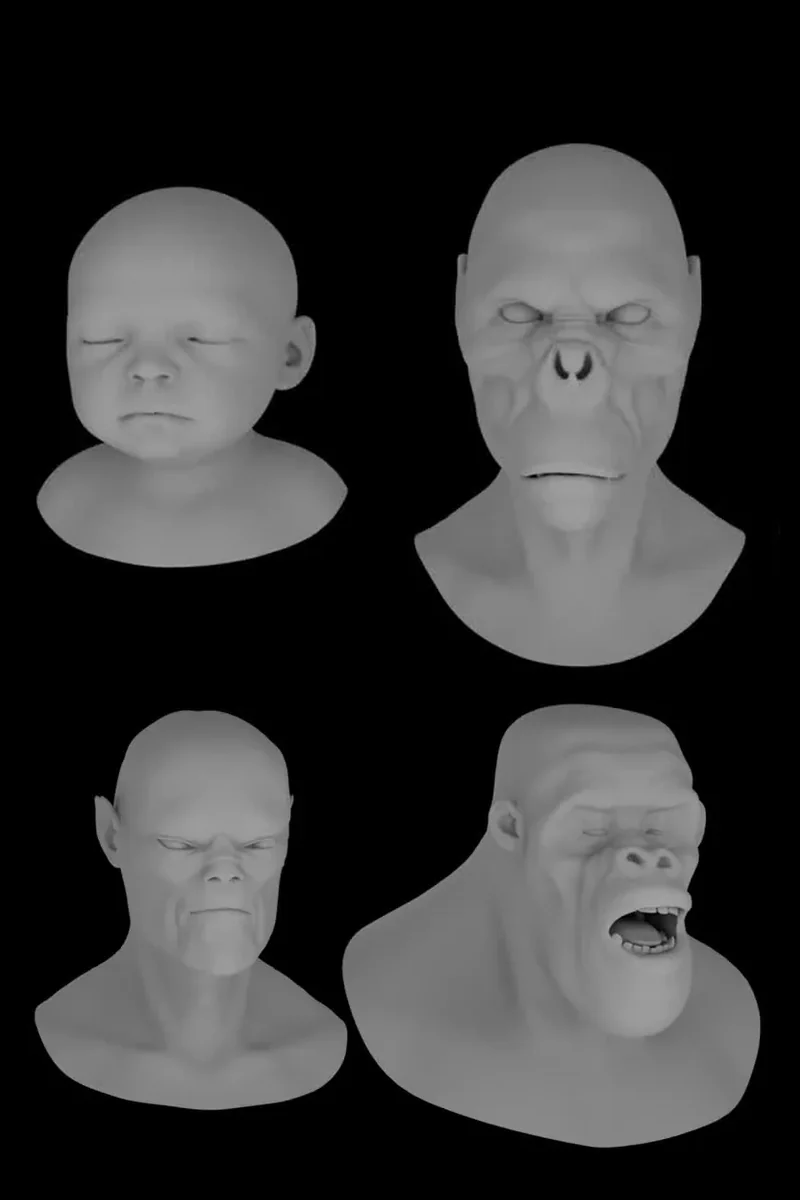
Lightweight deformation for many expressive characters in one scene, without multiplying cost per head.
RigX pairs a Maya-based authoring workflow with runtime technology for real-time applications, and works alongside the rigs and animation systems you already use.
| Integration | Status | Notes |
|---|---|---|
| Authoring | ||
| Autodesk Maya | Supported | Head / Body / Garment / Assets / Creatures |
| Runtime | ||
| RigX runtime | Supported | For integration into real-time applications |
| Unreal Engine | Supported | Functionality varies by version |
| Custom and proprietary engines | In validation | API-oriented runtime integration |
| Your assets | ||
| Existing rigs and animation systems | Supported | RigX works alongside them |
| Custom topology, scans and digital doubles | Supported | Not tied to one predefined topology |
| MetaHuman heads | Supported | Transfer into RigX |
Standard rig: 96 joints with standard skinning, without additional deformation layers, corrective joints, or RBF solvers.

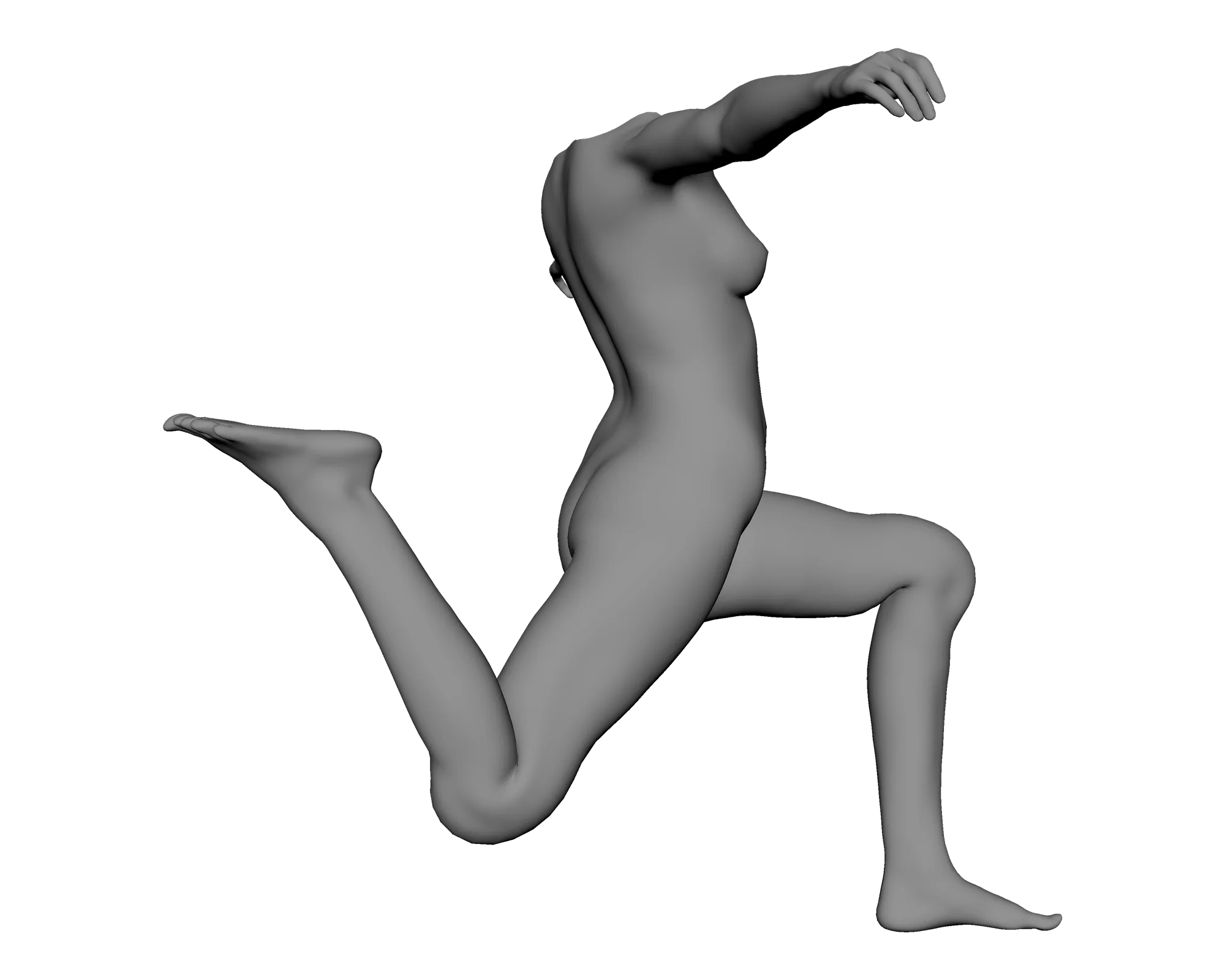

Studios and partners working with RigX.






RigX began with modelers, riggers and pipeline developers who spent years building and maintaining ever-heavier character rigs. They teamed up with a nuclear physicist and mathematician to attack the problem from a different angle: mathematics.
Meet the teamA 30-minute technical session with the people who built it: live solver, your questions, and whether a pilot makes sense for your pipeline.